
What Should I Do If My Child Isn't Interested in Academics?
If your child is unable to engage in academics, do not worry. Below are several practical and effective ways to help foster your child's curiosity and make learning a more enjoyable experience........
1/4/20255 min read

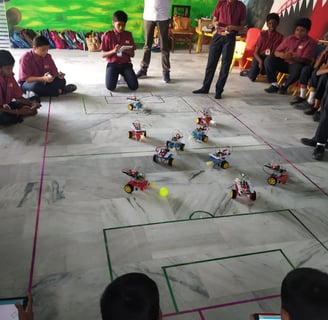
What Should I Do If My Child Isn't Interested in Academics?
A Comprehensive Guide from Omnytrix Integrated Labs
If your child is unable to engage in academics, do not worry. Below are several practical and effective ways to help foster your child's curiosity and make learning a more enjoyable experience.
1. Identify the Root Cause of Disinterest
To get started with battling academic disengagement, know why your child doesn't want to learn. As you know, disinterest is caused by different reasons, and knowing the main cause can guide you in getting to the heart of the matter:
Learning Problems: A child who fails in a particular area of study soon becomes frustrated and loses interest. When they think they are just not "good" at a subject, the motivation to try fades.
Lack of interest: For some, the traditional approach to learning may be dull or monotonous. If material is repetitive, too easy, or has little meaning, interest will wane.
Social or Emotional Problems: Anxiety or bullying, poor friendship, among others, affect a child from concentrating on learning. Emotional tension may severely compromise their motivation to learn and also the ability to concentrate.
Misaligned Learning Modes: Each student has a personal mode of learning-visual, auditory, or kinesthetic mode, among others. If one uses a style of teaching different from the individual's mode, he or she may not fully relate to it.
Open conversation with the child on the issue. Listen to their concerns and observations of school. The understanding of the cause of losing interest will help you find the targeted solutions.
2. Relevance and Fun towards Learning
Sometimes, kids get bored with academics when they are not able to see the relevance of what they are learning. Improve your educational system in such a manner that they learn it as connected to their area of interest.
Make a connection between learning and real life: Show your child where what they are learning applies in their everyday life. For instance, if they are studying math, make them understand how it's applied in cooking, budgeting, or even playing video games. When they are learning about history, tie those things into real-world events or stories that might interest them.
Incorporate Their Interests: If your child loves sports, gaming, or animals, find ways to integrate those interests into their studies. Perhaps they could calculate scores or statistics from their favorite sports teams on math problems or even make reading materials revolve around topics exciting them.
Use Creative Methods: The use of interactive and engaging learning tools such as educational apps, videos, games, or hands-on activities can further make the process of learning any academic subject not feel like a chore but something fun to do.
3. Foster a Growth Mindset
The growth mindset is the belief that intelligence and abilities can be developed with effort, persistence, and dedication. Teaching your child this mindset can better empower them to learn to step forward instead of avoiding challenges. This helps generate greater interest and success in their academic journey.
Praise Effort Over Results: Instead of focusing on grades, emphasize the effort your child puts into their work. Encourage them to view challenges as opportunities to grow and learn, rather than as failures.
Normalize Mistakes. You help children learn that one will make a lot of errors during the process. It teaches a child, and through reducing this fear of failing to actually do so, increases a person's motivational power.
Celebrate Progress: Recognize and celebrate the small wins along the way.
Whether it's improving in a subject or showing increased interest in a topic, acknowledging these successes can motivate your child to keep going.
4. Set Realistic and Achievable Goals
Set goals that are realistic and achievable to help your child stay focused and motivated in the academic journey. The goals must not be set too high, but rather into smaller, achievable tasks.
Set Short-Term Goals: Instead of a vague goal like "Do better in math," help your child set specific and short-term goals, like "Complete five math problems each day" or "Review one chapter each week." These smaller goals provide clear direction and a sense of accomplishment.
Create a Rewards System: You can use positive reinforcement to help motivate your child. You can set up a reward system where your child earns points or small rewards for meeting specific academic goals. It could be as simple as extra screen time or a fun outing.
Track Progress Together: Regularly check in on your child's progress toward his or her goals. This will not only help him or her stay accountable, but also allow you to celebrate efforts and modify goals as needed.
5. Establish a Supportive Learning Environment
At times, children may disengage from academics; the learned environment is not conducive for focus and productivity. A quiet well-organized space can make all the difference about how motivated your child feels.
Designate a Study Area: Set a quiet and lit space that is free of distractions such as television mobile phones or noisy siblings. This space should, therefore, be dedicated solely to studying and homework.
Establish a Routine: A routine helps children know when it is time to focus on schoolwork and when they can take breaks. A routine creates a sense of structure and discipline, which can make learning feel more manageable.
Limit Distractions: While studying, encourage your child to put away distracting devices or limit their use of social media. This will help them stay focused and make their study time more productive.
6. Encourage Open Communication
Sometimes, children struggle with school because they feel overwhelmed, frustrated, or disconnected from their teachers and peers. Regular communication with your child can help you understand their feelings and offer emotional support when needed.
Listen Actively: Ask your child about their day, and listen to their concerns without interrupting. Show empathy and validation for their emotions, even if the issues seem minor.
Support Their Social Needs: If social struggles are affecting your childâs academic engagement, consider how you can support their social development, whether itâs through playdates, joining clubs, or encouraging positive friendships.
7. Consider Additional Learning Support
If your child's lack of interest in academics persists, it may be helpful to consider additional support. This could be in the form of tutoring, counseling, or a personalized learning plan.
Tutoring: If your child is struggling with specific subjects, a tutor can provide one-on-one attention to address their learning needs. Tutors can also offer tailored lessons that cater to your child's learning style.
Therapeutic Support: If emotional or behavioral factors are contributing to your child's disinterest in school, consider talking to a counselor or therapist who can help them work through any challenges they may be facing.
Conclusion
Every child is unique, and their path to academic engagement may not look the same as others. If your child isnât interested in academics, the first step is to understand the root cause of their disinterest and work from there. By making learning relevant, fostering a growth mindset, creating a supportive environment, and setting achievable goals, you can reignite your child's enthusiasm for learning. At Omnytrix Labs, we believe that with the right tools and support, every child can find their passion for academics and succeed in their educational journey.
Remember, patience and consistency are key. With your help and encouragement, your child can rediscover the joy of learning and unlock their full potential.